


China’s decision to impose steep new tariffs on beef imports from 2026 could cost Australia up to $1 billion a year, industry bodies warn.
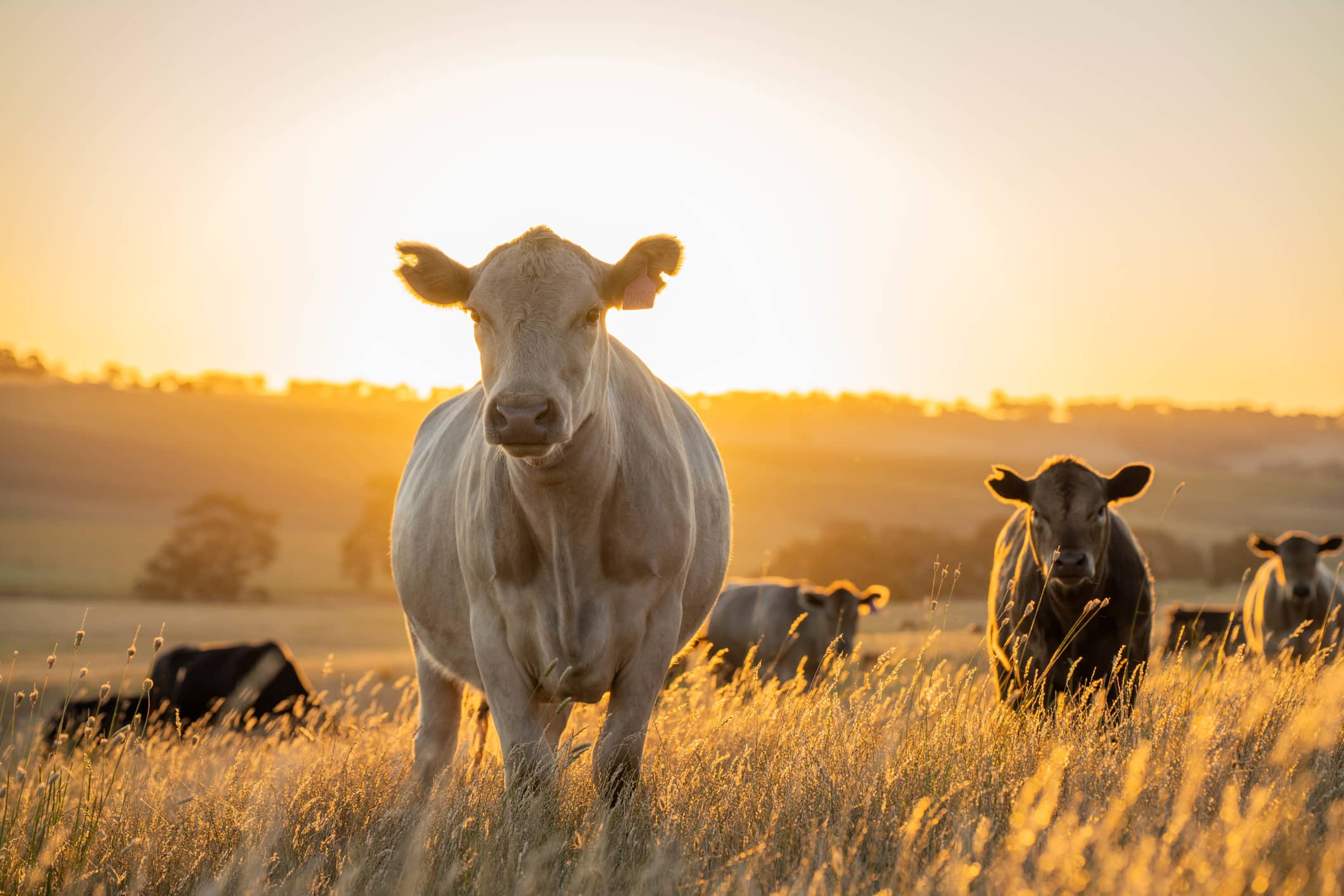
On New Year’s Eve, China’s Ministry of Commerce announced that beef imports exceeding new quota limits would face a 55% tariff from January 1, 2026 – a move aimed to protect its domestic cattle sector.
The quota for 2026 has been set at 2.6 million tonnes, which will increase gradually to 2.8mt by 2028. It’s due to cease in 2029.
As Australian beef is protected under the China-Australia Free Trade Agreement (ChAFTA), the Chinese ministry said it would pause compliance with relevant measures within the agreement.
Exporting countries have been allocated fixed quota shares, with Australia receiving 205,000 tonnes (7.9%) in 2026.
Other key beef exporters also hit with significant duties include China’s largest beef supplier Brazil (42.3% of the 2026 quota), Argentina (19.6%), Uruguay (12.5%) and the United States (6.3%).
As WA’s biggest beef export market for the past eight years, China accounts for around $25 to $40 million of the State’s exports that will be affected, according to data obtained by The West Australian from the WA Government.
Govt and industry respond to decision
The Australian Government and cattle industry have condemned the restrictions.
“We are disappointed by this decision,” said Federal Trade Minister Don Farrell on January 1.
“We have made it clear to China that Australian beef is not a risk to their beef sector, and that we expect our status as a valued free trade agreement partner to be respected.”
Industry bodies, the Australian Meat Industry Council (AMIC) and Meat and Livestock Australia, have also expressed their disappointment in the trade measures.
AMIC estimated the restrictions could reduce Australian beef exports to China by about $1b a year – one-third of trade compared to the past 12 months. Other reports have estimated the annual impact to be valued around $600m.
“This decision will have a severe impact on trade flows to China over the duration of the measures’ enforcement, disrupt the longstanding relationships fostered under ChAFTA, and restrict the ability for Chinese consumers to access safe and reliable Australian beef,” said AMIC Chief Executive Officer Tim Ryan.
A statement from the Chinese ministry said the “moderate” measures would help the local industry recover, as domestic beef prices had fallen over the past few years due to a surge in imports.
“The objective of these safeguard measures on imported beef is to help the domestic industry overcome its current difficulties, rather than to restrict normal trade,” the ministry stated.
What’s next?
The Federal Government said it was working closely with the beef industry to determine the full implications of the restrictions.
The Government said the time it would take Australian producers to reach the quota could leave room for further negotiations with Beijing.
The tariffs could also place downward pressure on Australia’s domestic beef prices, which have remained elevated in recent years due to strong export demand and constrained supply.
If you are looking for support or advice in business, trade or investment – including on tariffs and other trade restrictions – contact our experienced International Trade Services team at [email protected].