


Last updated July 16, 2026
Industrial action at BHP’s Port Hedland export operations on July 16 has raised concerns about the broader economic impact on Western Australia and the nation, with CCIWA warning the strike could mark a significant turning point for industrial relations in the Pilbara.
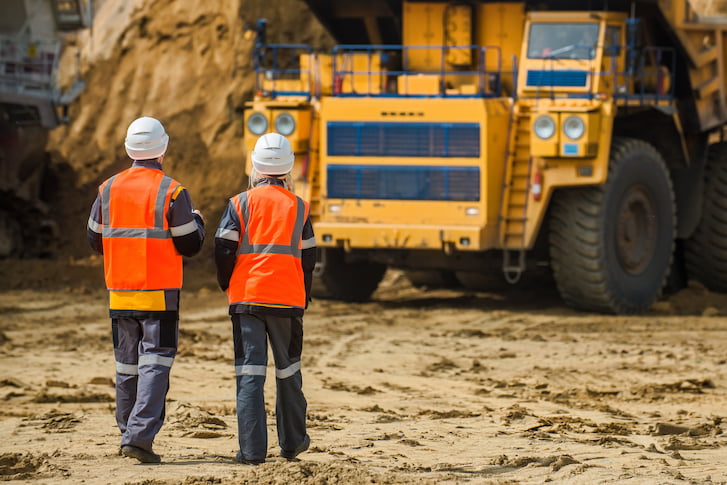
About 200 workers at BHP’s Port Hedland operations took part in an eight-hour strike after rejecting the company’s latest offer. A last-minute meeting between BHP and the Fair Work Commission also failed to reach agreement.
CCIWA Chief Executive Will Golsby said the action highlighted the unintended consequences of recent changes to Australia’s industrial relations system.
“This action is a direct result of sweeping Federal industrial relations reforms and CCIWA and others had warned that historic strike action in the Pilbara was a likely outcome of those reforms,” he said.
“The Pilbara is the epicentre of Australia’s prosperity and iron ore is our nation’s most significant export. It is deeply alarming that those exports will now face major disruptions from this strike.”
In the 2025 financial year, BHP’s WA iron ore operations directly contributed 9% of WA Government revenue, and more than $6 billion in company tax to the Federal Government.
“The Pilbara mining industry has operated peacefully for decades delivering high-paid, secure and safe employment to generations of Australians,” Golsby said.
“We urge the unions to return to good-faith negotiations and not hold our economy back.”
Ongoing union activity
The strike follows increasing union activity across WA’s resources and construction sectors, with CCIWA’s latest Construction Services Quarterly Industry Report identifying growing bargaining pressure, greater use of industrial action processes and renewed union-organising campaigns in the Pilbara.
The report notes the region has experienced a significant increase in union activity in recent years, including protected industrial action at a BHP site earlier this year and a rise in protected action ballot applications across industry.
CCIWA Construction Services Manager Kate Schick said employers were increasingly operating in a more complex and contested industrial relations environment.
“What we’re seeing in the Pilbara is part of a broader trend of increasing industrial activity and bargaining pressure across the resources and construction sectors,” she said.
“For many years, employers in the Pilbara operated in a relatively stable industrial environment. That is changing as unions increase their presence, pursue stronger bargaining outcomes and make greater use of the industrial action mechanisms available under the Fair Work system.”
Schick said the implications extended beyond individual workplaces and could affect project delivery, investment decisions and contractor confidence.
“Industrial action at major export operations creates uncertainty not only for operators, but also for contractors, suppliers and businesses that depend on those projects,” she said.
“WA is entering a period where legislative change, wage pressures, workforce constraints and union activity are converging in ways the industry has not experienced for at least a decade.”
CCIWA’s Winter 2026 Construction Services Quarterly Industry Report is due out mid-July. Please contact [email protected] to purchase a copy.