



Australia’s manufacturing sector is under pressure, with growth stalling and costs climbing amid the Middle East conflict, a new survey finds.
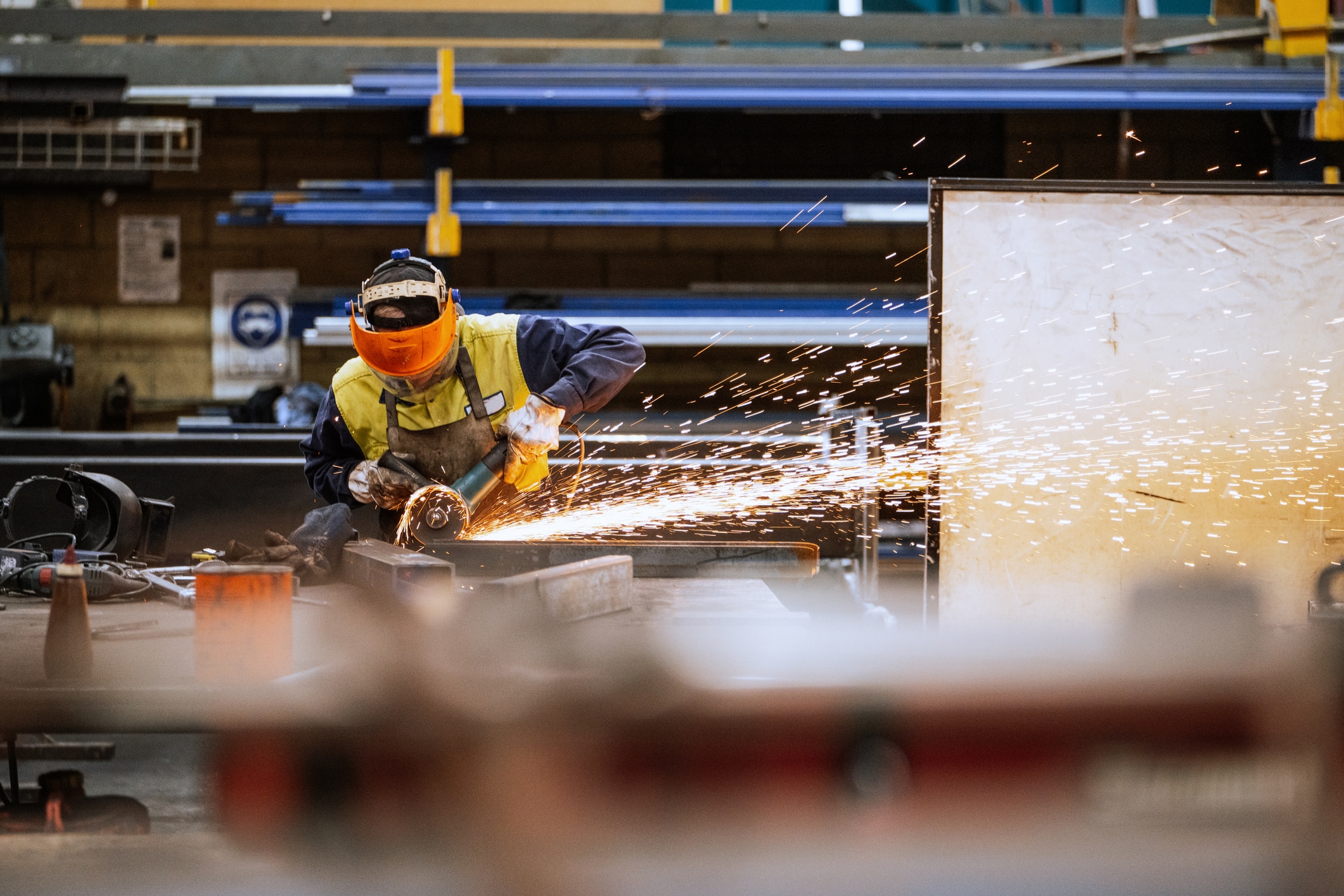
The latest ACCI–Westpac Survey of Industrial Trends has revealed activity in the sector slowed in Q2 of 2026 to neutral, after a brief expansion over the past couple of quarters.
“The main theme evident throughout the survey is a growing squeeze on both demand and costs,” Westpac Economist Ryan Wells said.
“The Middle East conflict is compounding the inflation challenge that was already present earlier in the year, further compressing household incomes and spending.
“At the same time, rising input costs are intensifying margin pressure on manufacturers.”
How cost pressures have impacted manufacturers:
| Q1 2026 – reported by % of businesses | Q2 2026 – reported by % of businesses | |
| Higher prices | ||
|
37 | 51 |
|
23 | 30 |
| Growth | ||
|
27 | 6 |
|
15 | 1 |
|
20 | 9 |
| Investment plans | ||
|
25 | 12 |
|
15 | -1 |
Manufacturers have pessimistic outlook
Confidence among manufacturers fell, with 21% expecting business conditions to deteriorate over the next six months. This is a sharp turnaround from Q1 when 22% anticipated improvement.
“Heightened uncertainty, surging costs and a more downbeat outlook for demand has made manufacturers more cautious about the investment outlook and new hiring,” Wells said.
Manufacturers expect cost pressures to remain acute in the period ahead, with 54% expecting a further rise over the next three months, the highest since the 2022 post-pandemic inflation shock.
“Firms expect further material increases in selling prices as a result, suggesting that some pass-through of higher costs will persist into the second half of the year,” he said.
Part of wider economic story
Australian Chamber of Commerce and Industry CEO Andrew McKellar said the survey suggested the weakness in manufacturing was part of a broader slowdown in the economy, rather than a sector‑specific issue.
“The survey shows that the conflict in the Middle East is reinforcing a broader cost shock across the economy, with higher fuel, freight and input costs adding to pressure on businesses well beyond the manufacturing sector,” he said.
McKellar said that while the Federal Budget decision to make the instant asset write‑off permanent was a positive step, more was needed to encourage private sector investment, lift productivity and strengthen economic growth.
“Of great concern to business are the proposed capital gains tax changes which will discourage productive investment in businesses,” he said.
“With productivity weak and growth slowing, there is a strong case for policy settings that reduce barriers to doing business and support investment, rather than increasing the tax burden on capital.”
Want to keep up to-date with the latest business news and advice? Become a CCIWA Member today and get access to exclusive information and services designed to help you do business better. Find out more here.